
Captives · Risk finance
Stop renting your insurance.
Year after year, a well-run company subsidizes the badly-run ones in its pool. A captive is how that stops — the underwriting profit you've been handing to carriers becomes yours to keep.
Our role here
What we offer today is the qualification conversation: the math on whether your scale and record support it, and the honest answer either way. A captive itself is a structure you form with counsel and an actuary — we advise, we don't sell you one.
Plain language
What a captive actually is.
Every premium dollar you pay a carrier funds three things: expected losses, the carrier's expenses, and the carrier's profit. When your losses run better than expected, the difference doesn't come back to you — it's the carrier's margin. That is the subsidy: your discipline paying for someone else's claims.
A captive is an insurance company you own — alone, or with a group of similarly disciplined companies. You still buy protection against the catastrophic loss. But the predictable layer of risk — the losses your own record says you'll have — you fund yourself, and when you beat the expectation, the underwriting profit and investment income are yours, returned as dividends.
The price of admission is discipline: your claims process becomes your profit margin — which is why the companies that thrive in captives built the record first.
The question you should ask
Captive or not, our fee is the same.
Risk finance is where an advisor's incentives are hardest to see and easiest to hide, so here they are: we are fee-only, and the flat annual fee is identical whether you renew a guaranteed-cost program, join a dividend program, or stand up a captive. We are not paid more for the more complicated answer — which is why “not yet, and here's the path” is a real answer we give often.
The full fee policyThe policy
- Flat annual fee — never a percentage of your premium
- Broker commission disclosed on every quote, in writing
- No contingency payments, overrides, or profit-sharing
The honest gate
This is not for everyone — on purpose.
A captive rewards scale, record, and appetite, and punishes their absence. The qualification conversation is short, and we'll tell you plainly which side of it you're on.
Worth the conversation
- Premiums large enough that keeping underwriting profit matters — typically well into six figures across casualty lines
- A loss record you'd be happy to bet on, or the discipline to build one
- Leadership appetite to treat risk as a financial decision, not a renewal chore
Not yet
- A business that wants insurance handled and never thought about — a captive is ownership, and ownership is work
- A record still driven by open claims and an unmanaged mod — fix that first (that's Comp Care), then graduate
The arc
The point where you stop simply buying insurance.
Everything else in the system builds toward this: the renewal method lowers the cost of financing your risk, claims discipline reduces losses and compresses the rest, and as confidence in both builds, risk-sharing structures — dividend programs first, captives where the economics support them — start paying the discipline back.
The nearest published evidence of that arc: one client, after halving an experience mod above 2.0, moved into a reward-based program that has returned “over $1.3 million in dividends” — their words, not ours. Dividend programs are not captives, but they run on the same physics: a disciplined record, shared risk, returned profit.
Two minutes, from the series
The captive argument, on camera.
When financing your own risk beats renting a carrier's balance sheet — from the Met Risk Corner series.
Met Risk Corner · 2 min
Insurance Mistake Cost Company Millions: The Captive Solution
Are you subsidizing your pool?
Bring five years of premium and losses — the qualification math takes one meeting, and 'not yet, and here's the path' is a real answer we give often.
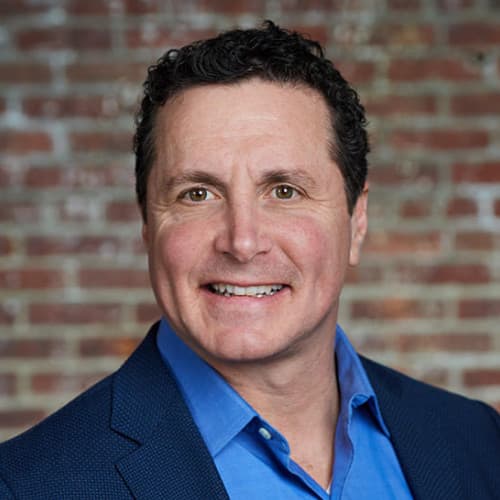
Fifteen minutes with Michael Stoop, our founder. Nothing to prepare — bring the question you can't get a straight answer to.
Or call us now — 347.252.6150
Not ready for a conversation?
Take the blind-spot check
Ten questions about your own program, answered from memory in ninety seconds. Nothing uploads.
Get one policy reviewed, free
Send the policy you are least sure about. We read it against how you operate and send back the three findings with the most at stake, each tied to its page.
Run your own loss pick
Premium and losses in, your ratio against the 50% line out — one year is enough. Nothing is submitted to anyone.
Walk a full engagement
A sample account, start to finish — the blueprint, the gaps, the scored quotes, the decision. Judge the work before the pitch.
- Flat annual fee — never a percentage of your premium
- Broker commission disclosed on every quote, in writing
- No contingency payments, overrides, or profit-sharing